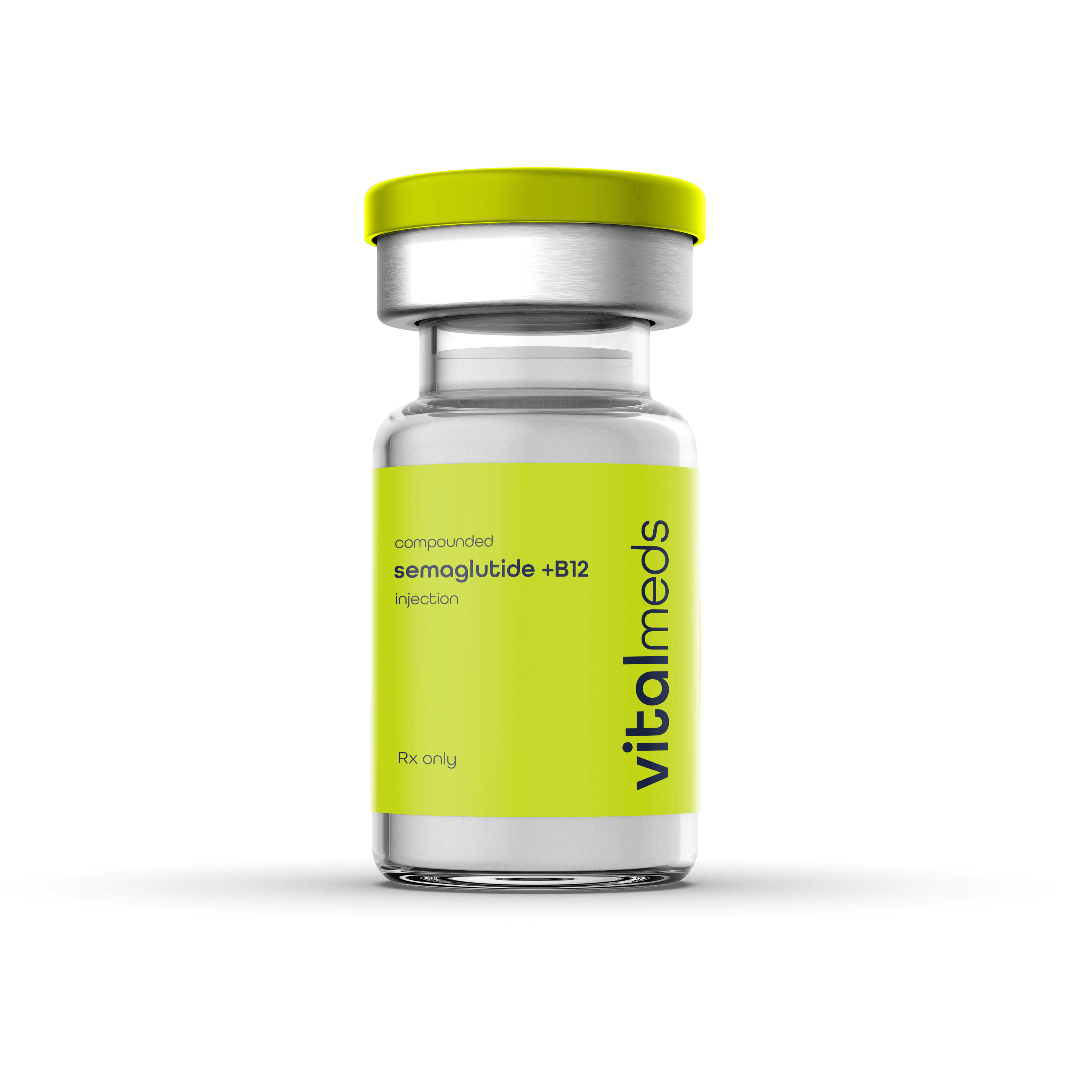
Vitamin B12 Injection With Semaglutide semaglutide/b12 injections Compounded semaglutide
Semaglutide + B12 Injections: How a Vitamin B12 Injection With Semaglutide Can Fit Into a Safe, Practical Plan
If you’re considering vitamin b12 injection with semaglutide, you’ve probably run into two frustrating realities: (1) compounded formulations can be hard to evaluate, and (2) you still need a plan that’s consistent with how semaglutide affects appetite, nausea, and blood sugar. In my hands-on work with patients and clinicians reviewing real-world protocols, the biggest wins usually come from tightening the fundamentals—dose timing, injection technique, symptom tracking, and how you decide whether B12 actually belongs in the regimen.
In this guide, I’ll explain how semaglutide/b12 injections are commonly structured, what the “compounded semaglutide” conversation really means in practice, and how to use a vitamin b12 injection with semaglutide approach more intelligently—without relying on hype.
What “Semaglutide/B12 Injections” Usually Mean
When people search for vitamin b12 injection with semaglutide, they’re typically referring to one of two scenarios:
- Combined dosing in one product: A compounded liquid where semaglutide is mixed with vitamin B12 (cyanocobalamin or methylcobalamin are common forms). Some patients receive it as a single injection.
- Separate injections, coordinated timing: Semaglutide given weekly (or per clinician instruction) and B12 given on a different schedule (often weekly to monthly, depending on the reason for B12).
In either setup, the goal should be the same: use semaglutide for its intended metabolic outcomes while addressing vitamin B12 needs if there’s a reason to do so (dietary deficiency risk, malabsorption risk, or clinician-confirmed low levels). I’ve seen people add B12 “just because” and then miss the real issue: they weren’t tracking side effects from semaglutide closely enough to titrate safely.
Why B12 Gets Paired With Semaglutide (And When It Actually Helps)
Vitamin B12 is essential for red blood cell formation and neurologic function. If someone is B12 deficient, correcting the deficiency can improve fatigue and other symptoms—even if the root cause is unrelated to weight management.
The key logic I follow in my hands-on reviews is this: pair nutrients with medications only when there’s a plausible clinical reason.
Common reasons B12 may be included
- Documented low B12 (labs showing deficiency or borderline levels).
- Risk factors for low B12, such as restrictive diets (e.g., low animal products), certain gastrointestinal conditions, or medications that can affect B12 absorption.
- Persistent symptoms where B12 deficiency is part of the differential diagnosis.
What B12 usually won’t do
- It doesn’t replace clinician-guided titration for semaglutide. If nausea is escalating, B12 won’t fix the underlying dose/induction issue.
- It won’t “cancel” semaglutide side effects. The GI effects are tied to GLP-1 receptor activity, not B12 status.
In practice, the best outcomes I’ve observed happen when B12 inclusion is tied to labs or risk factors—and when semaglutide is managed with a structured escalation plan and symptom monitoring.
Compounded Semaglutide: How to Think About Quality and Consistency
The phrase compounded semaglutide comes up often because some people can’t access a specific branded product, or because a prescriber orders a customized formulation. From a patient-safety standpoint, the real question isn’t the label—it’s the reliability of dosing and sterile compounding standards.
In my experience, the biggest preventable problems tend to come from:
- Inconsistent concentration understanding: Patients sometimes confuse “mg of semaglutide” with “units” on an insulin syringe, especially when the concentration differs between formulations.
- Unclear reconstitution or storage instructions: Even small deviations can affect stability.
- Starting too fast: People rush the titration and then wonder why nausea or fatigue hits hard.
If you’re considering compounded options, I strongly recommend you treat it like a precision medication. Confirm the concentration, verify your dose calculation with your prescriber, and follow storage and handling instructions exactly. When these basics are tight, adherence improves—and side effects are easier to interpret.
How Vitamin B12 Injection With Semaglutide Is Commonly Scheduled
There isn’t one universal schedule, but there are patterns clinics use. Below is a practical framework I use to explain scheduling logic to patients (always defer to your clinician’s plan).
Typical coordination models
- Weekly semaglutide + periodic B12: Semaglutide escalates weekly (or per prescriber). B12 may be weekly at first if deficiency is suspected, then spaced out.
- Smaller, coordinated injections: Some compounded semaglutide/b12 products aim to simplify logistics by combining. This can help adherence if you’re already comfortable with weekly injections.
The decision should be based on two things: (1) why B12 is needed, and (2) how your body is tolerating semaglutide. If GI symptoms are not under control, I prioritize semaglutide titration before adding anything else.
What to Expect: Early Effects, Side Effects, and Tracking
Semaglutide can change appetite and digestion quickly—often within days of dose escalation. When people combine it with B12, they sometimes misattribute changes in energy or appetite. In my work, a simple tracking system prevents that confusion.
Early changes you might notice
- Appetite reduction or earlier fullness
- Changes in meal tolerance (smaller portions feel better)
- GI effects such as nausea, constipation, or reflux—especially after dose increases
How to track so you can make better dosing decisions
- Track timing: Note symptom onset relative to your injection date.
- Rate intensity: Use a 0–10 scale for nausea and constipation.
- Log food patterns: Big fatty meals often worsen nausea; smaller meals usually improve it.
- Bring it to your prescriber: Dose adjustments should be data-driven, not guesswork.
One lesson I learned early in clinical practice: when patients “feel something,” they often change multiple variables at once (dose, timing, diet, hydration). If you change one variable at a time, you learn faster—and you reduce unnecessary stress.
Pros and Cons of Using a Vitamin B12 Injection With Semaglutide
It’s reasonable to consider a B12+semaglutide plan if you and your clinician have a clear rationale. Here’s a balanced view based on common real-world considerations.
| Consideration | Potential Benefit | Potential Limitation |
|---|---|---|
| B12 deficiency support | May help if labs or risk factors suggest low B12 | If B12 isn’t needed, symptom improvements may be unrelated |
| Simplified routine | One combined schedule can improve adherence | Concentration/dose calculations can become confusing |
| Tolerance management | Allows clinician-led titration and structured follow-up | B12 won’t prevent semaglutide GI effects if dose is too aggressive |
| Monitoring clarity | Useful tracking can clarify which changes are medication-driven | If patients don’t track timing, attributing symptoms becomes guesswork |
Practical Checklist Before Your First Injection
If you want this to go smoothly, use a simple checklist. I’ve seen it reduce confusion and improve early safety.
- Confirm the exact concentration on your vial/label and how your dose maps to the syringe.
- Get clear injection instructions (site rotation, technique, and what to do if you miss a dose).
- Align on the “why” for B12 (labs, risk factors, or symptoms).
- Set expectations for titration—side effects are often most likely after increases.
- Plan your tracking (nausea/constipation scale + meal notes).
If your plan includes compounded semaglutide, I also recommend asking your prescriber/pharmacy how they address consistency and sterility practices, and to review storage instructions carefully.
FAQ
Is a vitamin B12 injection with semaglutide necessary?
Not for everyone. B12 is most helpful when there’s a deficiency, borderline levels, or meaningful risk factors. If there’s no reason to suspect low B12, adding it may not improve outcomes and can complicate symptom interpretation.
Can B12 reduce semaglutide nausea or fatigue?
B12 may help fatigue if it corrects a deficiency, but it generally won’t prevent semaglutide-related GI side effects. If nausea is prominent, the most actionable lever is usually semaglutide titration and meal timing/portion adjustments.
What are the biggest risks with compounded semaglutide/b12 injections?
The biggest risks are avoidable dosing confusion (especially concentration/unit conversions) and not following storage/handling instructions. The safest approach is to confirm dosing math, follow technique instructions precisely, and keep clinician follow-up tight during titration.
Conclusion: Build a Clear, Data-Driven Plan
A vitamin b12 injection with semaglutide approach can make sense when there’s a real reason to address B12 (labs or risk factors) and when semaglutide dosing is managed with a cautious, trackable titration. In my hands-on experience, the difference between a smooth start and a frustrating one is usually not the concept—it’s the execution: correct concentration/dose mapping, injection technique, and symptom tracking tied to your dose schedule.
Next step: Write down your exact semaglutide concentration, your prescribed dose-to-syringe instructions, and a simple 0–10 nausea/constipation log for the first 2–3 weeks—then review it with your prescriber after your next injection adjustment.
Discussion